12/22/2025
Hurricane season brings undeniable challenges to Venice, Florida, especially concerning property safety. Knowing how to identify trees likely to fail before a storm hits can prevent significant damage and keep your family safe. Proactive assessment is not just a recommendation; it’s a critical part of living in our beautiful, storm-prone region.
Key Takeaways
- Spotting a tree likely to fail means looking for specific defects like dead branches, deep cracks, significant leaning, and root damage.
- Venice has strict tree protection ordinances; understanding permit requirements for removal or major pruning is essential before any work begins.
- Preventative structural pruning significantly boosts a tree’s survival rate during hurricanes, reducing the risk of catastrophic failure.
- Heavy rains and saturated soil weaken root systems, making even seemingly healthy trees vulnerable to strong hurricane winds.
- Professional arborists offer expert risk assessments and ensure compliance with local regulations, providing peace of mind for homeowners.
- Emergency tree removal costs can be high; proactive tree care with My Florida Tree Guys offers a cost-effective alternative to post-storm crisis management.
Why Venice Trees Are at Risk During Hurricane Season
Understanding the specific risks trees face in Venice during hurricane season is the first step toward safeguarding your property. Our area experiences frequent hurricanes and tropical storms, bringing destructive winds, intense rainfall, and dangerous storm surges. These elements combine to create a hazardous environment for trees, often leading to widespread damage, as seen with Hurricane Ian’s estimated 2% canopy loss in Venice.
- High Winds: Tropical storms and hurricanes generate winds that can exceed 95 mph, easily breaking branches, splitting trunks, and uprooting entire trees.
- Heavy Rains: Saturated soil weakens root systems, reducing a tree’s anchorage and making it more susceptible to falling, even if the canopy appears healthy.
- Storm Surge: Saltwater intrusion from storm surges can be lethal to many tree species, causing rapid browning and death, particularly in coastal zones.
- Cumulative Stress: Repeated exposure to high winds and saturated conditions weakens trees over time, making them more vulnerable in subsequent storms.
Key Signs a Tree is Prone to Failure
Identifying the warning signs of a compromised tree before hurricane season is vital for preventative action. These indicators often point to structural weaknesses that could lead to failure under storm conditions. A thorough inspection can reveal issues that might otherwise go unnoticed until it’s too late.
Common Visual Indicators of Weakness
Look for these visual cues in your trees, as they often signal underlying problems that could worsen during a hurricane. Catching these early can make a big difference.
- Dead or Dying Branches: Branches without leaves or with discolored foliage are clear signs of weakness. They break easily and become dangerous projectiles.
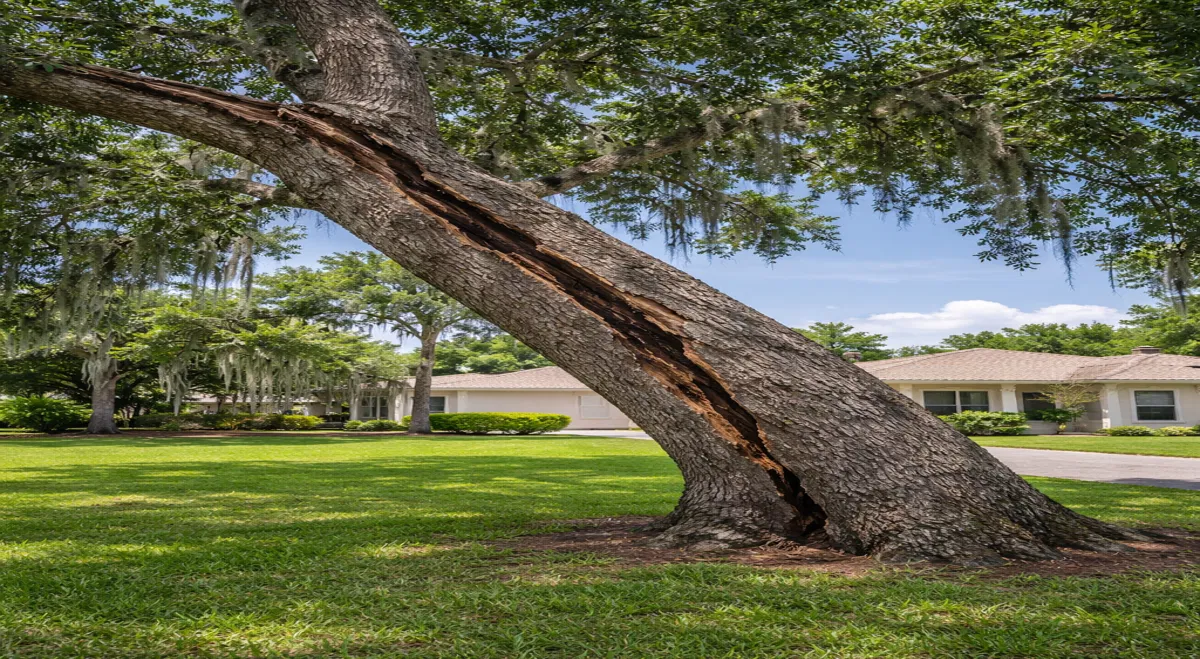
- Cracks and Splits in Trunks: Deep cracks, especially those running vertically or at branch unions, indicate structural instability. These are major failure points.
- Significant Leaning: A tree that suddenly starts leaning or has a pronounced lean with a raised soil mound around its base suggests root instability.
- Cavities and Decay: Large holes or soft, decaying wood on the trunk or major limbs point to internal rot, which severely compromises the tree’s strength.
- Root Damage: Exposed, severed, or girdling roots, or fungal growth around the base, signal an unhealthy root system unable to support the tree.
- Weak Branch Unions: Branches that grow too close together or form a ‘V’ shape rather than a ‘U’ are prone to splitting under stress.
Other Risk Factors to Consider
Beyond visual cues, certain tree characteristics or recent changes can also increase a tree’s risk of failure during a storm. Understanding these factors helps in a more comprehensive assessment.
- Recent Construction Damage: Construction activities can damage roots or compact soil, reducing tree stability and health.
- Past Storm Damage: Trees that have previously sustained hurricane damage may have hidden weaknesses that make them more vulnerable to future storms.
- Pests and Diseases: Infestations or diseases can weaken a tree’s structure and overall vitality, making it less resilient to wind and rain.
- Proximity to Structures: Even a healthy tree poses a risk if it’s large enough to reach your home, vehicle, or power lines should it fall.
- Species Vulnerability: While native trees generally fare better, larger specimens within any species can be more susceptible to falling during high winds.
Venice Tree Regulations: What Homeowners Need to Know
Navigating Venice’s tree regulations is crucial for any homeowner planning tree work. The City of Venice has specific ordinances designed to protect its urban canopy, meaning permits are often required for tree removal or extensive pruning. Ignoring these rules can lead to fines and delays.
Permit Requirements and Protected Trees
Before you consider any tree work, especially removal or major pruning, it’s essential to understand the local permit requirements. These rules aim to preserve the city’s natural beauty and ensure responsible tree management.
- Protected Trees: Any Florida Friendly™ tree four inches in diameter or larger (DBH) and Sabal Palms with at least six feet of clear trunk generally need a permit for removal.
- Special Categories: ‘Heritage Trees’ (large Florida Friendly™ trees), ‘Venetian Trees’ (city-designated significant trees), and ‘Canopy Road Trees’ have stricter protection and always require permits for removal or specific pruning.
- Pruning Permits: Pruning a branch 10 inches or larger from a Heritage or Venetian Tree requires a permit. Pruning branches two inches or larger within a Canopy Road Protection Zone also requires a permit and ISA Certified Arborist supervision.
- Exemptions: Single-family zoned lots of 1/2 acre or less are often exempt from many tree code rules, but Heritage, Venetian, or Canopy Road Trees remain protected.
- Hazardous Tree Exemption: Florida Statute Chapter 163.045 allows residential owners to remove hazardous trees without a permit if a certified arborist or licensed landscape architect documents the tree poses a direct risk due to disease, damage, or risk of falling.
Mitigation Requirements
If you remove a protected tree, the City of Venice often requires mitigation, meaning you’ll need to replace the tree according to specific guidelines. This ensures the urban canopy continues to thrive.
- Replacement Ratio: Typically, one-to-one replacement with specific large and medium canopy trees is required.
- Palm Replacement: For palms, a three-to-one replacement ratio from the ‘Florida Friendly’ list is common.
- Ensuring Compliance: Working with a knowledgeable tree service like My Florida Tree Guys helps ensure all permit and mitigation requirements are met correctly.
Proactive Tree Care: Preventing Hurricane Damage
Taking preventative measures before hurricane season arrives is far more effective and often less costly than dealing with fallen trees and extensive debris cleanup after a storm. Strategic tree care can significantly reduce your risk.
The Power of Professional Pruning
Regular, professional tree trimming is one of the most impactful ways to prepare your trees for high winds. It strengthens the tree and removes potential hazards.
- Structural Pruning: This involves removing weak, dead, or crossing branches to improve the tree’s overall structure and wind resistance.
- Crown Thinning: Reducing the density of the tree’s canopy allows wind to pass through more easily, decreasing resistance and the likelihood of uprooting.
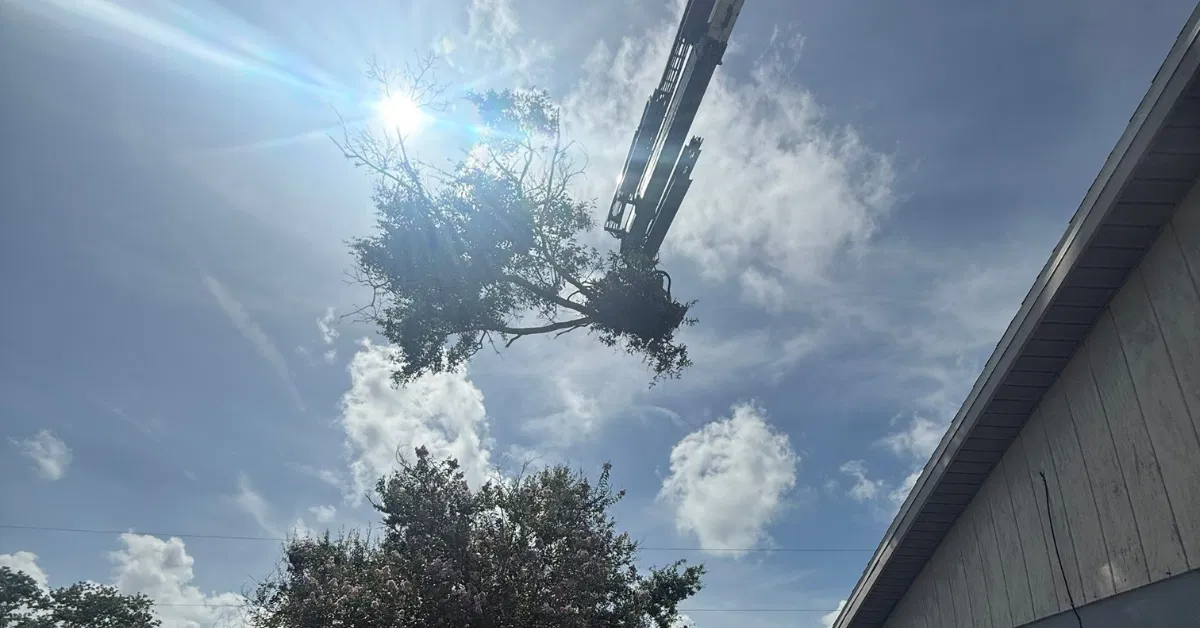
- Hazardous Limb Removal: Eliminating limbs that overhang structures or power lines before a storm prevents them from becoming dangerous projectiles.
- Enhanced Survival Rates: Studies show that pruned trees have a 73% survival rate during hurricanes, compared to just 47% for unpruned trees. This difference is substantial.
Additional Preparatory Steps
Beyond pruning, there are other crucial steps you can take to bolster your trees’ resilience against severe weather. These actions contribute to their long-term health and stability.
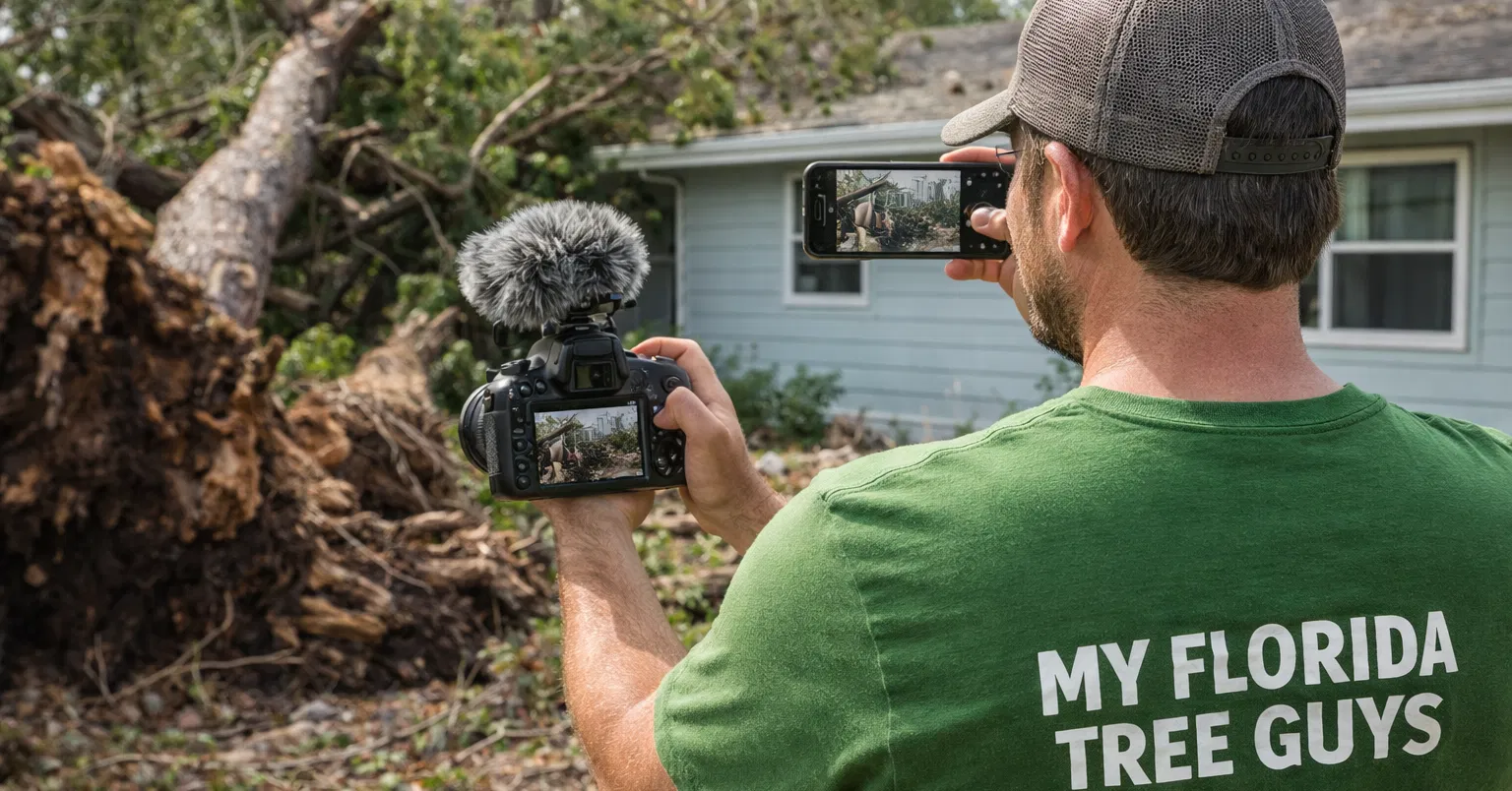
- Regular Health Checks: Schedule annual inspections with a certified arborist to catch issues early. My Florida Tree Guys provides expert assessments.
- Proper Watering: Healthy, well-hydrated trees with strong root systems are more resilient. Avoid overwatering or underwatering.
- Soil Management: Ensure good drainage around your trees. Compacted soil or areas prone to standing water can weaken roots.
- Cabling and Bracing: For trees with weak branch unions or multiple leaders, cabling and bracing can provide additional support during high winds.
DIY vs Professional Arborist Assessment
| Feature | DIY Assessment | Professional Arborist |
| Expertise | Basic visual checks only | Trained ISA Certified Arborists |
| Tools | Binoculars and observation | Advanced diagnostic and climbing equipment |
| Risk Detection | Hidden defects often missed | Accurately identifies decay and root issues |
| Safety | Higher injury risk | Licensed, insured, safety focused crews |
| Permits | Homeowner handles research | Assists with Venice permit requirements |
| Preparedness | Reactive after storms | Proactive risk reduction before storms |
Conclusion
Preparing for hurricane season starts with understanding the condition of the trees around your property. Trees that are poorly structured, weakened, or already damaged are far more likely to fail during high winds and heavy rain.
Taking time before storm season to identify risk factors, address problem limbs, and improve overall tree stability can reduce property damage and safety hazards when severe weather hits. Proactive tree care is not about over-removal. It is about reducing risk, protecting people, and helping healthy trees withstand extreme conditions.
Storms expose existing problems. Preparing early gives you control before weather takes it away.
Frequently Asked Questions
Do I need a permit to remove a tree in Venice, Florida?
A tree removal permit is often needed for ‘Protected Trees’ in Venice, including Florida Friendly™ trees over four inches DBH. Exemptions exist for single-family lots under 1/2 acre, but Heritage, Venetian, or Canopy Road trees always require permits. Florida Statute 163.045 allows removal of documented hazardous trees without a permit.
What are the most common signs of a hazardous tree?
Key signs include dead or decaying branches, large cracks or splits in the trunk, significant leaning, root damage, and fungal growth. Trees with large holes or recently uprooted trees that are leaning are also major red flags. A professional arborist can provide the most accurate assessment.
How does tree trimming help during hurricane season?
Structural pruning helps trees better withstand high winds by removing weak or overgrown limbs and improving canopy balance. Studies show pruned trees have a significantly higher survival rate (73%) compared to unpruned trees (47%) during hurricanes, reducing the chance of major damage.
Which tree species are most resilient to hurricanes in Florida?
Native tree species like Live Oak, Gumbo Limbo, and Sabal Palm generally fare better in South Florida hurricanes. They are adapted to the local climate and soil conditions, making them more resilient to strong winds and heavy rainfall than many exotic species.
What are the typical costs for emergency tree services in Venice?
Emergency tree removal in Venice averages around $804, while standard tree removal is about $538. These costs depend on tree size, location, and complexity. Investing in preventative trimming, which averages $147 for hazard pruning, can significantly reduce the likelihood of costly emergency services.
Why choose My Florida Tree Guys for hurricane season tree preparation?
My Florida Tree Guys is licensed, bonded, and insured, offering 24/7 emergency services. This means we are equipped to handle urgent situations safely and professionally, protecting your property and providing peace of mind during and after a storm.