03/06/2026
A hurricane sweeping through Florida can leave behind a path of destruction, and often, fallen or damaged trees are a major part of that aftermath. Dealing with the immediate safety concerns is crucial, but what about the long-term process of recovery and repair? Yes, documenting tree damage after a hurricane in Florida is absolutely critical for your property and your wallet.
Key Takeaways
- Comprehensive documentation is essential for successful insurance claims, covering over 80% of tree damage claims in Florida after major storms.
- Under Florida Statute § 627.70132, property insurance claims for any peril are barred unless notice of the claim is given within 1 year after the date of loss. Supplemental or reopened claims essential for discovering hidden structural issues after initial repairs must be filed within 18 months of the date of loss. For weather-related events, the “date of loss” is the date the storm was verified by the National Oceanic and Atmospheric Administration (NOAA).
- Detailed photographic and video evidence, along with inventory lists, strengthens your claim and proves the extent of damage.
- Understanding local Venice tree ordinances and Florida Statute SB 518 for hazardous tree removal is key to avoiding permit issues.
- Hiring a professional arborist for assessment and a professional service like My Florida Tree Guys, Venice, for removal ensures safety, compliance, and proper cleanup.
What is Tree Damage Documentation?
Tree damage documentation refers to the systematic process of collecting and preserving evidence of damage to trees and any property affected by them, following a natural disaster like a hurricane. This isn’t just about taking a quick photo; it’s about building a comprehensive case for your insurance claim and ensuring compliance with local regulations.
The Purpose: Proving Your Claim
The primary goal of documenting tree damage is to provide irrefutable evidence to your insurance company. Without thorough records, proving the extent of your losses and securing the coverage you’re entitled to becomes incredibly challenging. This evidence also helps prevent disputes and speeds up the claims process.
Beyond Insurance: Navigating Local Regulations
Beyond insurance, accurate documentation can be crucial for navigating local tree removal permits. Especially in areas like Venice, FL, where specific regulations apply, having clear records of a tree’s hazardous condition can streamline the approval process.
Why Documentation is Crucial for Your Insurance Claim
Documentation is crucial for your insurance claim because more than 80% of tree damage insurance claims in Florida occur after major storms or hurricanes. Your ability to recover financially hinges on the quality and completeness of your evidence.
Understanding Your Homeowner’s Policy
Most Florida homeowner insurance policies cover sudden and accidental tree damage from wind, hurricanes, or storms. This typically includes damage to your roof, exterior structures, and personal property. However, hurricane deductibles usually apply during named storm events, meaning you’ll pay a percentage of your home’s insured value before coverage kicks in. Knowing your policy limits and deductibles beforehand saves you from surprises.
Florida’s 1-Year Claim Window
Florida law mandates that hurricane insurance claims must be filed within 1 years of the damage date. While this seems like a long time, post-hurricane recovery is hectic. Documenting early ensures you meet this critical deadline and don’t jeopardize your claim.
Neighbor’s Tree, Your Property: Who Pays?
If a healthy neighbor’s tree falls onto your property due to a storm, your own insurance usually covers the damage. However, if the tree was neglected, diseased, or posed an obvious hazard before the storm, your neighbor might be held liable. Proper documentation of the tree’s condition (even pre-storm) can clarify responsibility.
Step-by-Step Guide to Documenting Tree Damage
A systematic approach to documentation will save you time and stress when dealing with insurance adjusters and tree service professionals. Here’s how to ensure you capture everything important:
- Pre-Storm Preparations (Proactive Documentation): Before a storm, take photos or videos of your property, including healthy trees, from various angles. This ‘before’ evidence is invaluable for showing what was damaged.
- Immediate Post-Storm Actions: Once it’s safe, walk your property. Prioritize personal safety. Don’t touch downed power lines. Assess the overall damage before moving anything.
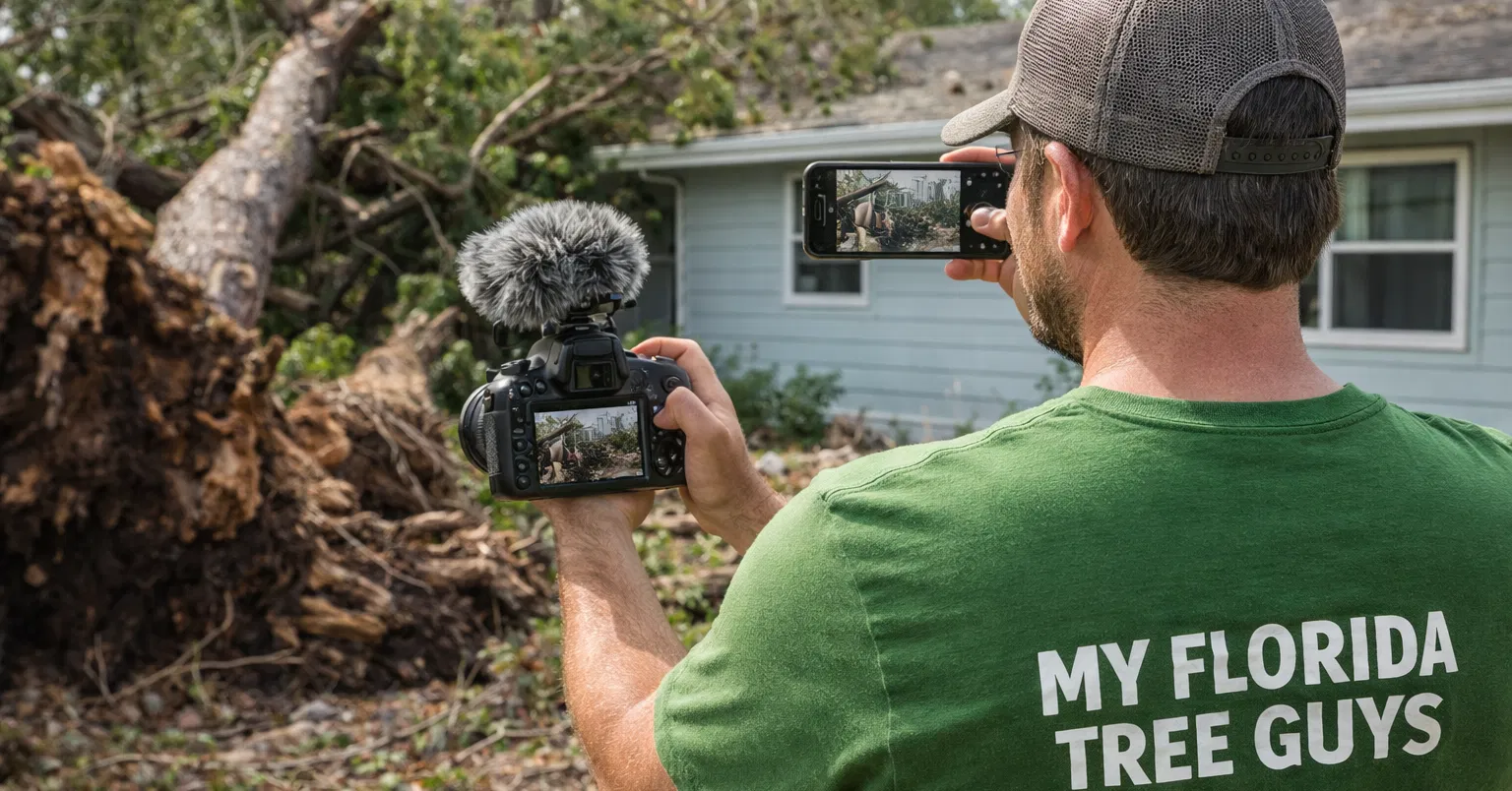
- Capturing Comprehensive Visual Evidence: Take extensive photographs and videos. Capture wide shots of the overall damage, then close-ups of specific impacts. Include date and time stamps if possible. Get multiple angles of each damaged area. Show the tree, the point of impact, and the resulting property damage.
- Detailed Inventory and Cost Tracking: Create a list of all damaged personal belongings, noting purchase dates and estimated replacement costs. Keep receipts for any temporary repairs you make (e.g., tarps, plywood).
- Communication Records: Keep a detailed log of all communication with your insurance company, including dates, times, names of people you spoke with, and summaries of conversations. Save all emails and letters.
- Preserve Damaged Items: If possible and safe, do not dispose of damaged items until your insurance adjuster has had a chance to inspect them. This serves as tangible evidence.
Navigating Local Regulations for Tree Removal in Venice, FL
Navigating local tree removal regulations in Venice, FL, can be confusing, especially after a hurricane. Understanding the specific rules will prevent delays and potential fines.
City of Venice Tree Code vs. Florida Statute SB 518
The City of Venice implemented its own tree protection ordinance (Chapter 118, the Tree Code) in 2020. This code requires permits for removing ‘Heritage Trees’ (Florida Friendly™ trees 30 inches or larger DBH), ‘Venetian Trees,’ and ‘Canopy Road Trees.’ Pruning large branches from these also requires a permit. However, Florida Statute (SB 518), passed in 2019, allows property owners to remove ‘hazardous trees’ (dead, damaged, or at risk of falling) without a local permit, provided a licensed arborist or landscape architect certifies the tree poses a risk. This documentation is crucial for compliance.
When to Call a Licensed Arborist (Before You Cut!)
Even with SB 518, calling a licensed arborist before any major tree work is a smart move. A professional arborist can:
- Assess the true hazard level of a damaged tree.
- Provide the necessary certification for hazardous tree removal under SB 518.
- Identify if a tree can be saved or if removal is the only safe option.
- Help navigate Venice’s specific permitting requirements for non-hazardous removals or pruning.
- Offer an unbiased, expert opinion that strengthens your insurance claim.
The Cost of Tree Damage and Professional Removal
The cost of tree damage cleanup and removal can vary widely, making it important to understand what influences pricing and when professional help is truly worth the investment.
Average Costs & Factors Influencing Price
For an average home in South Florida, roof replacement and tree removal after a hurricane can amount to approximately $18,000. For woody debris removal and disposal, the average cost after major hurricane seasons was around $28.25 per cubic meter. Factors influencing your specific costs include:
- Tree Size and Type: Larger, denser trees are more expensive to remove.
- Location and Accessibility: Trees in confined spaces or near structures require specialized equipment and more careful work.
- Hazard Level: Highly hazardous trees (e.g., leaning over a house, near power lines) cost more due to increased risk.
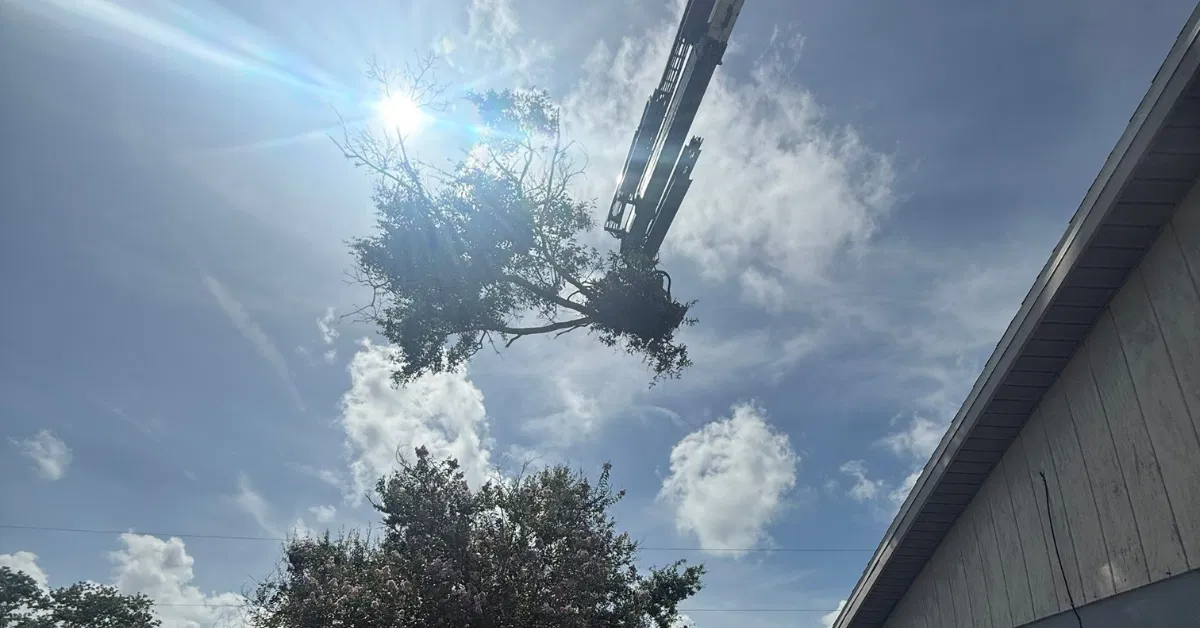
- Equipment Needed: Crane-assisted removals, while safer and less damaging to your property, might have a higher upfront cost.
- Debris Removal: Hauling and disposal of tree debris is a significant component of the total cost.
Common Mistakes to Avoid During Documentation and Cleanup
Avoiding common pitfalls during post-hurricane tree damage assessment and cleanup can save you headaches and money.
- Rushing Cleanup Without Documentation: Never start major cleanup or removal before thoroughly documenting the damage and, ideally, before your insurance adjuster has visited. This can jeopardize your claim.
- Ignoring Local Permit Requirements: Even with SB 518, not all tree removals are exempt from permits. Always verify with the City of Venice or consult an arborist to avoid fines.
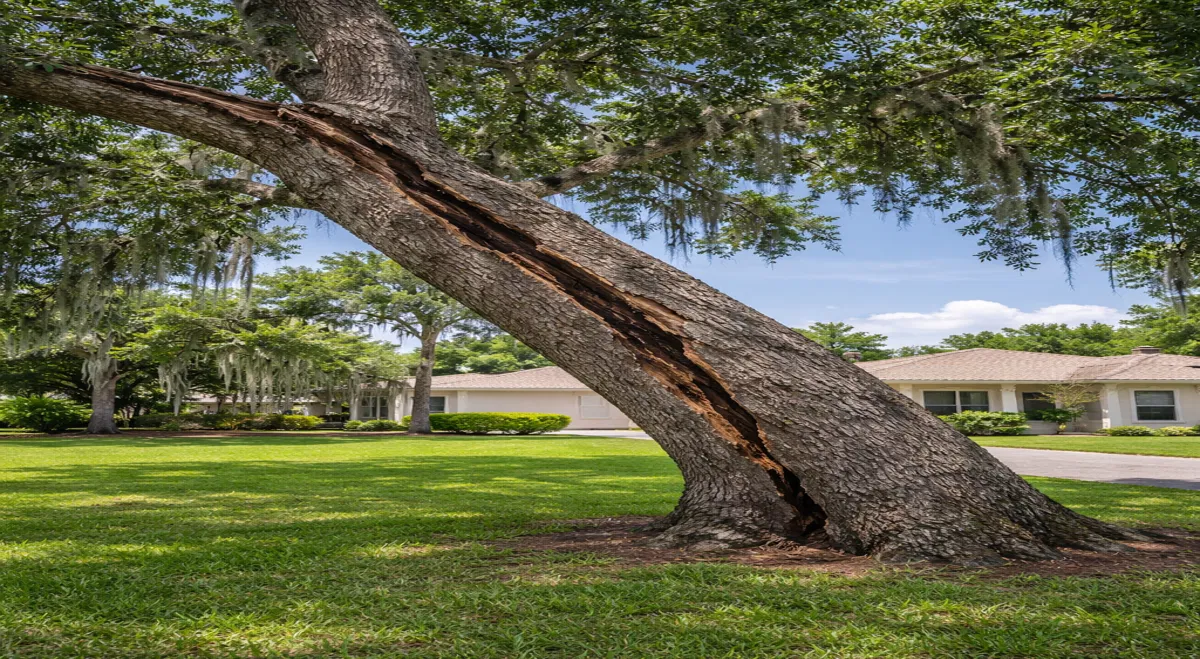
- Underestimating Hidden Damage: What looks like minor damage might hide structural issues or internal decay, especially in species common to Florida with weaker wood. A professional assessment is vital.
- Hiring Unlicensed or Uninsured Contractors: After a storm, ‘storm chasers’ often appear. Always verify a contractor’s licensing, bonding, and insurance. My Florida Tree Guys is fully licensed, bonded, and insured.
- Misinformation About Pruning: Improper pruning, like ‘topping,’ can severely compromise a tree’s structural integrity and make it more vulnerable to future storms. Always follow arborist recommendations.
- Delaying Your Insurance Claim: Remember the 1-year deadline. Procrastination can lead to a denied claim or reduced payout.
Frequently Asked Questions
Does homeowner’s insurance cover tree damage from a hurricane in Florida?
Yes, most Florida homeowner insurance policies cover sudden and accidental tree damage caused by wind or hurricanes. However, a hurricane deductible typically applies, which is a percentage of your home’s insured value. Review your specific policy for details on coverage limits and deductibles.
What is the deadline for filing a hurricane tree damage claim in Florida?
Florida law states that hurricane insurance claims must be filed within 1 year of the date the damage occurred. It’s best to report damage to your insurance company as soon as safely possible after the storm to avoid any delays or complications.
Should I remove damaged trees before my insurance adjuster sees them?
You should generally wait to cut or remove damaged trees until after your insurance adjuster has inspected the property. However, you can perform essential temporary repairs to prevent further damage, like tarping a roof, and keep all receipts. Always prioritize safety.
Who is responsible if my neighbor’s tree falls on my property after a storm?
If a healthy tree from your neighbor’s property falls onto yours due to a storm, your own homeowner’s insurance typically covers the damage. Your neighbor’s insurance might be liable only if their tree was neglected and posed a known hazard before the storm.
Why is an arborist’s report important for tree damage claims?
Professional Arborist provides an expert assessment of tree health, damage, and risk. Their report can be invaluable for insurance claims, permit applications (especially for hazardous trees under SB 518), and determining the best course of action for tree care or removal.
Protect Your Property and Recovery After Hurricane Tree Damage
Documenting tree damage after a Florida hurricane isn’t just a suggestion; it’s a critical step in protecting your property and financial well-being. By meticulously recording evidence, understanding local regulations, and acting promptly, you set the stage for a successful insurance claim and safe property recovery. Don’t face the aftermath alone. For expert assessment by a Licensed & Insured arborist, safe tree removal, and complete storm cleanup in Venice and Sarasota County, contact My Florida Tree Guys. Available 24/7 with specialized equipment and professional care