02/18/2026
A fallen tree can be a homeowner’s worst nightmare, especially in a storm-prone region like Sarasota County. Understanding your policy’s nuances and local regulations is crucial for a smooth recovery process. In most cases, home insurance covers fallen trees only when they damage a covered structure or block access.
Key Takeaways
- Home insurance typically covers fallen trees if they damage a covered structure or block essential access, due to a ‘covered peril’ like wind or lightning.
- Negligence (e.g., failing to remove a visibly dead or diseased tree) can lead to insurance claim denials.
- According to the Sarasota County Environmental Permitting Division, a permit is required for removing any native tree with a trunk diameter of 4 inches or greater or any palm with a clear trunk of 6 feet or more. In 2026, Sarasota County transitioned all permitting to the One Stop portal at 870 Apex Rd, which allows for expedited ‘After-the-Fact’ permits for trees downed during declared emergencies.
- Policy limits for tree removal without structural damage are common, often $500 to $1,000 per tree.
- Regular tree maintenance and professional assessments are your best defense against unexpected falls.
- Local experts like My Florida Tree Guys, provide emergency services and help navigate removal complexities.
What is Home Insurance Coverage for Fallen Trees?
Home insurance coverage for fallen trees refers to the specific conditions under which your homeowner’s policy will pay for the removal of a fallen tree and any resulting property damage. This isn’t a one-size-fits-all answer. Your policy’s terms, the cause of the tree’s fall, and what the tree impacted all play a significant role. In Sarasota County, where severe weather is a frequent concern, knowing these details ahead of time is incredibly valuable.
Sarasota County’s Unique Challenges: Storms & Regulations
Frequent Storms and Hurricane Risks
Sarasota County faces distinct environmental challenges that directly impact tree health and stability. Frequent storms and hurricanes are a significant risk. These intense weather events often lead to widespread tree damage, uprooting, and breakage, posing immediate hazards to homes and infrastructure.
- Southwest Florida experiences regular storms, including hurricanes, which dramatically increase the risk of fallen trees.
- Hurricane Ian showed the widespread impact of strong winds, causing extensive tree falls and power outages.
- Native tree species often show better wind resistance, but all large trees are vulnerable under extreme conditions.
- Proper tree care significantly improves a tree’s chances of survival during severe weather.
Navigating Sarasota County Tree Removal Permits
Navigating local tree removal permits in Sarasota County is a critical step before removing any tree, even a fallen one. Removing a tree without a required permit can delay or weaken your insurance claim. Ignoring these regulations can lead to fines and complications with insurance claims. Within the city limits, the City of Venice Tree Regulations distinguish between Protected, Heritage, and Venetian trees. Pruning any branch larger than 10 inches in diameter on a Heritage tree requires a city permit, and any unauthorized removal can result in a triple-replanting requirement.
- Permits are required for removing native trees with a trunk diameter greater than four inches or palms with a clear trunk over eight feet.
- Special protection applies to ‘Grand Trees’ – mature native trees meeting specific size parameters.
- Maintenance within a Canopy Road Protection Zone (CRPZ) is strictly regulated to preserve historic aesthetics. In Sarasota County, pruning any branch 2 inches or larger within these zones requires a permit and a pre-work inspection by a County Environmental Specialist.
- Permits are typically granted if a tree is hazardous, obstructs development, or is diseased/damaged.
- Tree replacement may be mandated after removal, with specific quality and size requirements for new plantings.
When Your Home Insurance Does Cover a Fallen Tree
Covered Perils and Structural Damage
Your home insurance generally covers damage from a fallen tree if it impacts a ‘covered peril.’ This means the tree fell due to an event explicitly listed in your policy, such as wind, hail, lightning, or fire. The key is that the tree must damage an insured structure, like your house, garage, or fence. A tree falls during a tropical storm and damages your garage roof. This is usually covered.
- Windstorms: A common cause of tree falls in Florida, almost always covered.
- Lightning: If lightning strikes a tree, causing it to fall or catch fire.
- Hail: Though less common, hail damage can weaken trees, leading to a fall.
- Fire: If a tree catches fire and then falls, damaging property.
- Weight of Ice/Snow: While rare in Florida, heavy ice can cause breakage (check specific policy language).
Understanding Policy Limits for Tree Removal
Even if a tree doesn’t hit your home, insurance might cover removal if it blocks essential access to your property. This often includes driveways or handicap ramps. However, there are usually specific limits for this type of coverage. For example, a tree falls across your driveway after a storm, blocking vehicle access. Your policy might cover the removal up to a specific limit.
- Most policies limit tree removal coverage to $500 to $1,000 per tree when it doesn’t hit a structure, but blocks access.
- If the tree *does* hit a covered structure, the cost of removal is usually covered as part of the total damage repair, often without a separate limit.
- These limits apply to the cost of cutting and hauling away the tree debris, not to landscaping restoration unless specifically added.
When a Neighbor’s Tree Falls on Your Property
If a neighbor’s tree falls onto your property, your own homeowner’s insurance is typically the primary payer for the damages. Your insurer will then often seek reimbursement from your neighbor’s insurance company if negligence can be established. Imagine your neighbor’s clearly diseased tree, which you’ve discussed with them, falls on your shed. Your policy pays first, then may pursue your insurer.
- Your policy covers the damage to your property, including removal costs up to your policy limits.
- If your neighbor was negligent (e.g., they knew the tree was dead/diseased and did nothing), your insurer might subrogate against their policy.
- Proof of negligence is crucial; without it, you’re generally responsible for your deductible and any costs exceeding your coverage.
When Your Home Insurance *Doesn’t* Cover a Fallen Tree
Negligence: The Unmaintained Tree Clause
One of the most common reasons for an insurance claim denial is negligence. If a tree falls due to a lack of proper maintenance—like an obviously dead or diseased tree that you failed to remove your insurer may argue that the damage was preventable. For instance, if a dead tree you’ve ignored for years falls on your fence, your claim might be denied.
- Failing to prune dead branches or remove a clearly hazardous tree can be considered negligence.
- Insurance companies expect homeowners to take reasonable steps to maintain their property and prevent foreseeable damage.
- Regular tree assessments by professionals, like My Florida Tree Guys, Venice, can provide documentation of due diligence.
Tree Falls Without Hitting a Covered Structure
If a tree simply falls in your yard and doesn’t hit any insured structures (like your house, garage, or fence) and doesn’t block essential access, your homeowner’s insurance will generally not cover the cost of its removal. This is a common misunderstanding. If a tree falls cleanly in your backyard without hitting anything, its removal cost is typically your responsibility.
- Tree removal costs in this scenario are considered part of routine property maintenance, not a covered peril.
- You’ll be responsible for the full cost of removal, which can range from hundreds to thousands of dollars.
- This is where having a reliable local tree service contact becomes invaluable.
Deductibles and Exclusions
Understanding your policy’s deductibles and exclusions is vital. A deductible is the amount you pay out-of-pocket before your insurance coverage kicks in. Exclusions are specific events or types of damage not covered by your policy. For example, if your policy excludes flood damage and a tree falls due to flooding, your claim would likely be denied.
- Deductibles: If the cost of tree removal is less than your deductible, you’ll pay the full amount yourself.
- Exclusions: Policies typically exclude damage from floods (which requires separate flood insurance) or earthquakes.
- Maintenance Issues: Damage from trees falling due to rot or disease, if neglected, may be excluded as a maintenance issue.
The Claims Process: A Step-by-Step Guide for Sarasota Residents
Insurance Claim Checklist After a Fallen Tree
When a tree falls, your immediate priority is safety. Once the immediate danger is assessed, you need to document everything. This means taking pictures and videos from multiple angles, showing the tree, the damage, and the surrounding area.
- Ensure Safety: Check for downed power lines or gas leaks. Do not approach hazardous areas.
- Document Everything: Take clear photos and videos of the fallen tree, the damage it caused, and the overall scene.
- Prevent Further Damage: If safe, take temporary measures (e.g., tarping a damaged roof) to mitigate additional harm. Keep receipts for these expenses.
- Contact My Florida Tree Guys, Venice: For immediate, safe, and professional assessment and emergency tree removal, especially in hazardous situations.
- Notify Your Insurer: Contact your insurance company as soon as possible to report the damage and begin the claims process.
Documenting Damage for Your Claim
Thorough documentation is the backbone of a successful insurance claim. The more evidence you have, the smoother the process will be. Make sure your photos and videos clearly show the extent of the damage.
- Capture wide shots to show the overall impact and close-ups of specific damage points.
- Include photos of the tree’s base, showing if it was healthy or diseased before the fall.
- Keep a detailed log of all communications with your insurance company and any service providers.
- Gather any receipts for temporary repairs or emergency services.
Working with Your Insurer and Tree Service
Your insurance adjuster will assess the damage. It’s helpful to have your documentation ready for them. Simultaneously, engaging a reputable tree service is crucial, especially for large or hazardous removals.
- Adjuster Visit: Be present during the adjuster’s visit to point out all damages and share your documentation.
- Get Quotes: Obtain detailed estimates for tree removal and property repair from licensed and insured professionals.
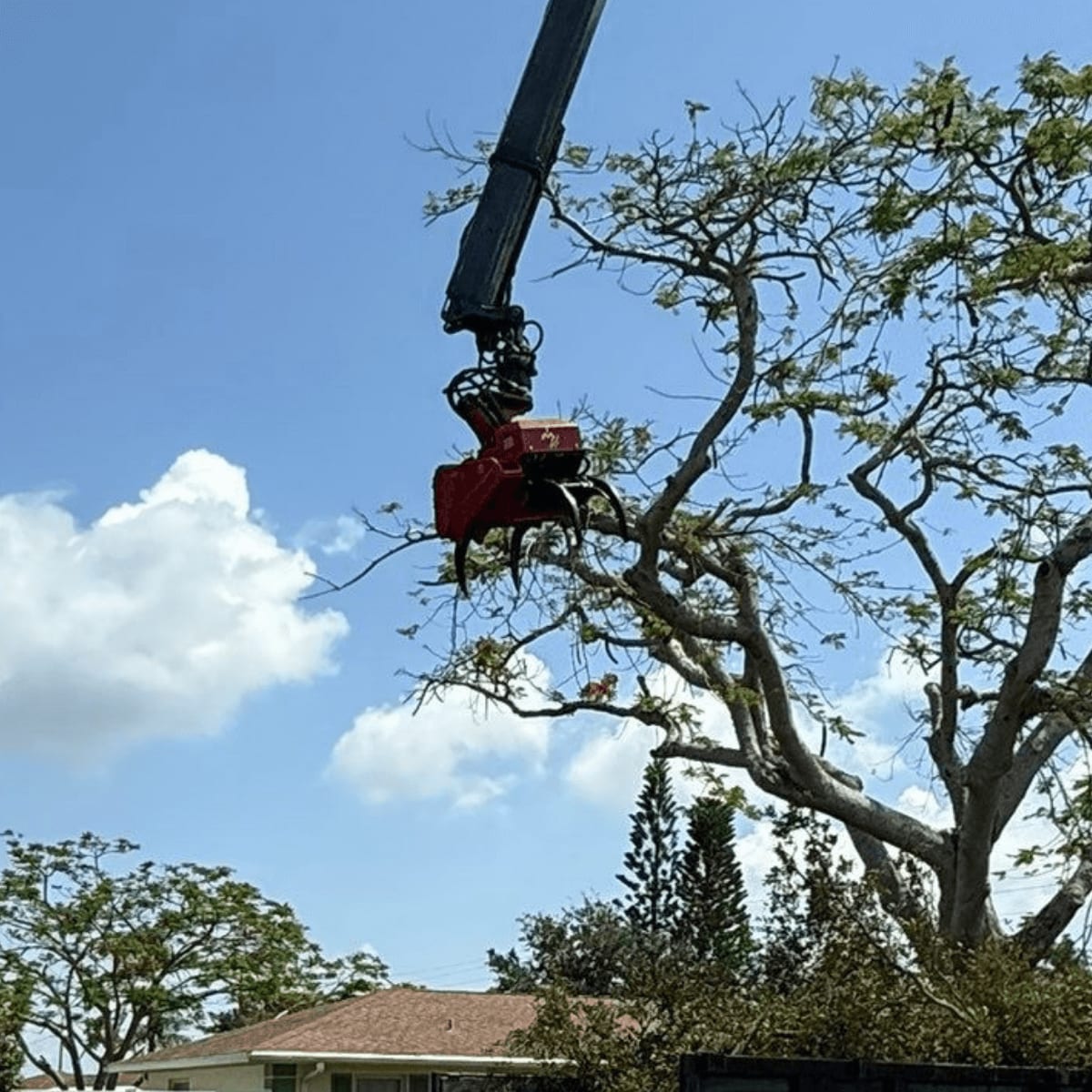
- Choose Wisely: For Sarasota County residents, My Florida Tree Guys, Venice offers expert, reliable tree removal services, including hazardous and crane-assisted removals, ensuring the job is done safely and efficiently.
- Understand Settlement: Review the insurance settlement offer carefully. If you have questions, ask your adjuster or a public adjuster.
Preventative Tree Care: Protecting Your Property and Your Policy
Regular Tree Trimming and Pruning
Proactive tree trimming and pruning are not just about aesthetics; they are crucial for tree health and safety, especially in storm-prone Florida. Regular maintenance can prevent weak branches from becoming projectiles or entire trees from failing.
- Remove Deadwood: Dead or decaying branches are weak points and fall easily during storms.
- Thin the Canopy: Proper thinning reduces wind resistance, allowing wind to pass through the tree rather than pushing it over.
- Clear Structures: Keep branches away from your home, power lines, and other structures to prevent impact damage.
- Professional Service: Engage certified arborists like My Florida Tree Guys, Venice, for expert pruning that promotes healthy growth and structural integrity.
Identifying and Removing Hazardous Trees
Identifying and removing hazardous trees before a storm hits is perhaps the single most effective way to prevent costly damage and potential insurance headaches. This requires a professional eye.
- Signs of Hazard: Look for severe leaning, deep cracks in the trunk or major branches, hollow spots, extensive root decay, or visible signs of disease/pests.
- Species-Specific Risks: Some trees, like Australian pines, have shallow root systems, making them highly susceptible to uprooting in strong winds.
- Expert Assessment: Have a professional arborist inspect your trees annually for signs of weakness or disease. Their expertise can save you significant trouble.
- Permit Compliance: Remember to secure the necessary permits for hazardous tree removal in Sarasota County.
Choosing Storm-Resistant Species
When planning new landscaping or replacing a removed tree, consider species known for their resilience in Florida’s climate. Choosing the right tree can significantly reduce future risks.
- Native Advantage: Native Florida tree species are generally better adapted to local soil and wind conditions.
- Strong Root Systems: Opt for trees with deep, strong root systems that provide better anchorage during storms.
- Flexible Branches: Trees with flexible branches are less likely to snap under wind stress.
- Consult Experts: My Florida Tree Guys, Venice, can advise on the best tree species for your property’s specific conditions and help with proper planting.
Cost of Fallen Tree Removal in Sarasota County
Factors Influencing Removal Costs
Several factors dictate the final cost of removing a fallen tree. These elements are important whether you’re paying out-of-pocket or your insurance is covering part of the expense.
- Tree Size: Larger trees require more equipment and time, increasing costs.
- Location & Accessibility: Trees in confined spaces, near structures, or on steep slopes are more complex to remove.
- Proximity to Hazards: Trees near power lines or busy roads demand specialized safety measures.
- Condition of the Tree: A shattered or splintered tree is harder to handle than one that fell cleanly.
- Emergency Service: After-hours or emergency removals typically incur higher fees.
- Stump Removal: Stump grinding or removal is often an additional service.
Average Costs for Tree and Stump Removal
Understanding the typical cost ranges for tree services in the Sarasota area helps you budget and evaluate insurance estimates. Always get detailed quotes. It is important to note that these are averages and can change significantly, especially after major storms.
- Standard Tree Removal: In Sarasota, costs generally range from $493 to $671, with an average between $538 and $627.
- Stump Grinding: This service can add $75 to $1,000, depending on stump size and number.
- Stump Removal: Full stump removal (including roots) typically costs $60 to $350.
- Tree Trimming/Pruning: Preventive maintenance costs between $150 and $1,500.
- Overall Tree Service: Total project costs can range from $150 to $2,500, depending on the scope.
Choosing the Right Tree Service in Sarasota County
Why Local Expertise Matters
When a tree falls, you need a service that understands the local landscape, regulations, and urgency. A local expert like My Florida Tree Guys, Venice, provides unparalleled advantages.
- Familiarity with Local Trees: Knowledge of species common to Florida and their specific challenges.
- Understanding Local Regulations: Expertise in Sarasota County’s permit requirements and environmental protections.
- Rapid Emergency Response: Being local means quicker response times for critical situations, especially after storms.
- Community Trust: A strong local reputation built on reliable service and customer satisfaction.
- Licensed and Insured: Ensuring peace of mind that the company is properly vetted and protected.
Key Questions to Ask a Tree Service
Before hiring any tree service, ask these key questions to ensure you’re getting a qualified and trustworthy professional.
- Are you licensed and insured (liability and workers’ compensation)?
- Do you have certified arborists on staff?
- Can you provide references from local clients?
- Do you handle emergency services?
- Are you familiar with Sarasota County’s tree removal permit process?
- What is included in the quote (removal, cleanup, stump grinding)?
- How do you ensure safety during the job?
Fallen Tree Scenarios: Insurance Coverage at a Glance
| Scenario | Insurance Coverage | Key Considerations |
|---|---|---|
| A tree falls on your house or covered structure | Yes. Typically covered (minus deductible) | Must result from a covered peril like storm or wind. Removal is usually included in repair costs. |
| A tree falls in your yard with no property damage | No. Usually not covered | Considered routine property maintenance. Homeowner pays removal costs. |
| A tree falls and blocks the driveway or home access | Yes. Limited removal coverage (often $500 to $1,000) | Applies to debris removal only. Does not cover tree value. Always check policy limits. |
| Neighbor’s tree falls on your property | Your homeowner’s policy typically covers damage | Your insurer may pursue neighbor reimbursement if negligence is proven. |
| Tree falls due to neglect, disease, or known damage | Often denied | Insurance may classify this as preventable damage. Regular inspections matter. |
| Tree falls on your vehicle | Covered under comprehensive auto insurance | Handled through car insurance, not homeowner policy. A separate deductible usually applies. |
Frequently Asked Questions
Does my home insurance cover tree removal if it didn’t hit my house?
Yes, home insurance typically covers tree removal if it damages a covered structure or blocks essential access, due to a covered peril. Limits often apply.
Do I need a permit to remove a fallen tree in Sarasota County?
Yes, a permit is generally required for tree removal in Sarasota County, especially for native trees over four inches in diameter or palms over eight feet in clear trunk. Failing to secure a necessary permit could complicate insurance claims or result in fines.
Whose insurance pays if my neighbor’s tree falls on my property?
If your neighbor’s tree falls on your property, your own homeowner’s insurance typically covers the damage. Your insurer might then pursue reimbursement from your neighbor’s policy if their negligence (e.g., an unmaintained, dead tree) caused the fall.
Can my insurance deny a claim if the tree was dead or diseased?
Insurance companies may deny claims if the fallen tree was neglected, diseased, or dead, and its condition contributed to the fall. Regular tree maintenance, like trimming and removal of hazardous trees, is crucial to avoid such denials.
What should I do immediately after a tree falls on my property?
Immediate steps include ensuring safety, documenting the damage with photos/videos, contacting your insurance company, and then calling a reputable local tree service like My Florida Tree Guys, Venice for emergency removal and assessment.
What’s the average cost of tree removal in Sarasota County?
The average cost for tree removal in Sarasota County ranges from $493 to $671, but can vary significantly based on tree size, location, accessibility, and whether emergency services or specialized equipment like cranes are needed.
Does my home insurance cover damage to my car from a fallen tree?
While your homeowner’s policy generally covers tree damage to your car if it’s parked on your property, damage to your vehicle from a fallen tree is typically covered under the comprehensive portion of your auto insurance policy.
How can I prevent trees from falling and causing damage?
To prevent future tree-related issues and potential insurance complications, regularly inspect your trees, prune dead or weak branches, remove hazardous trees, and consider planting native, storm-resistant species.
Does Home Insurance Cover Fallen Trees in Sarasota County?
Dealing with a fallen tree in Sarasota County can be stressful, but understanding your home insurance coverage and local regulations makes the process smoother. Prioritize preventative tree care to safeguard your property and policy. When a tree falls, remember that a prompt, professional response is key. My Florida Tree Guys, Venice, stands ready to provide 24/7 emergency tree services, expert removal, and guidance to help you navigate these challenging situations effectively. Don’t hesitate to reach out for reliable, local tree care.